Human Capital Development (HCD) is the heart of national transformation. Without an educated, skilled, and healthy population, there can be no sustainable development.
Under the Big Five Game Changers, Sierra Leone is doubling down on investments in people—especially in education, healthcare, gender equality, water and sanitation, housing, and social protection. The Human Capital Development agenda aims to empower every Sierra Leonean to live with dignity, contribute meaningfully, and thrive in a competitive 21st-century economy.
This priority is not just about services—it’s about unlocking human potential.
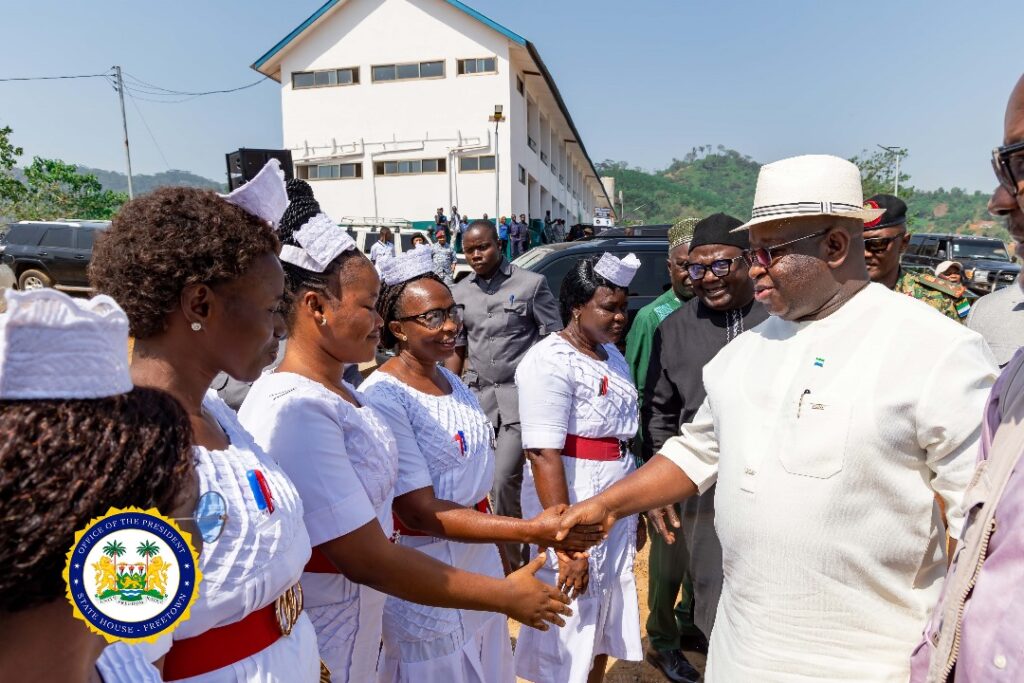
This Big Five priority scales up previous gains and widens the scope of human capital to include skills, safety, equity, and long-term wellbeing.
With HCD at the center, Sierra Leone is preparing a resilient, innovative, and productive workforce that will drive the country toward middle-income status by 2039.
This reform priority focuses on five areas that will redefine how government works and serves.
Ensure that every child—regardless of income, gender, or geography—has access to inclusive, equitable, and high-quality education.
Outcome: Government that works, measures results, and takes responsibility.
Improve access, quality, and employability of graduates from universities and technical institutes.
Outcome: A civil service filled with smart, skilled, and motivated professionals.
Deliver affordable, quality healthcare to all—especially mothers, children, and the elderly.
Outcome: A modern, connected, efficient state that saves time and reduces corruption.
Achieve near-zero infections and deaths from HIV/AIDS and tuberculosis.
Outcome: A responsive, inclusive government that works where people live.
Universal access to clean water, safe sanitation, and hygiene education.
Outcome: A responsive, inclusive government that works where people live.
Remove structural barriers to women’s participation in education, leadership, and the economy.
Outcome: Citizens regain confidence in their institutions and participate in governance.
Guarantee dignity, safety, and opportunity for vulnerable populations.
Outcome: A responsive, inclusive government that works where people live.
Shield the poorest and most vulnerable from shocks and chronic poverty.
Outcome: A responsive, inclusive government that works where people live.
Ensure access to secure housing, planned urban development, and fair land distribution.
Outcome: Citizens regain confidence in their institutions and participate in governance.